
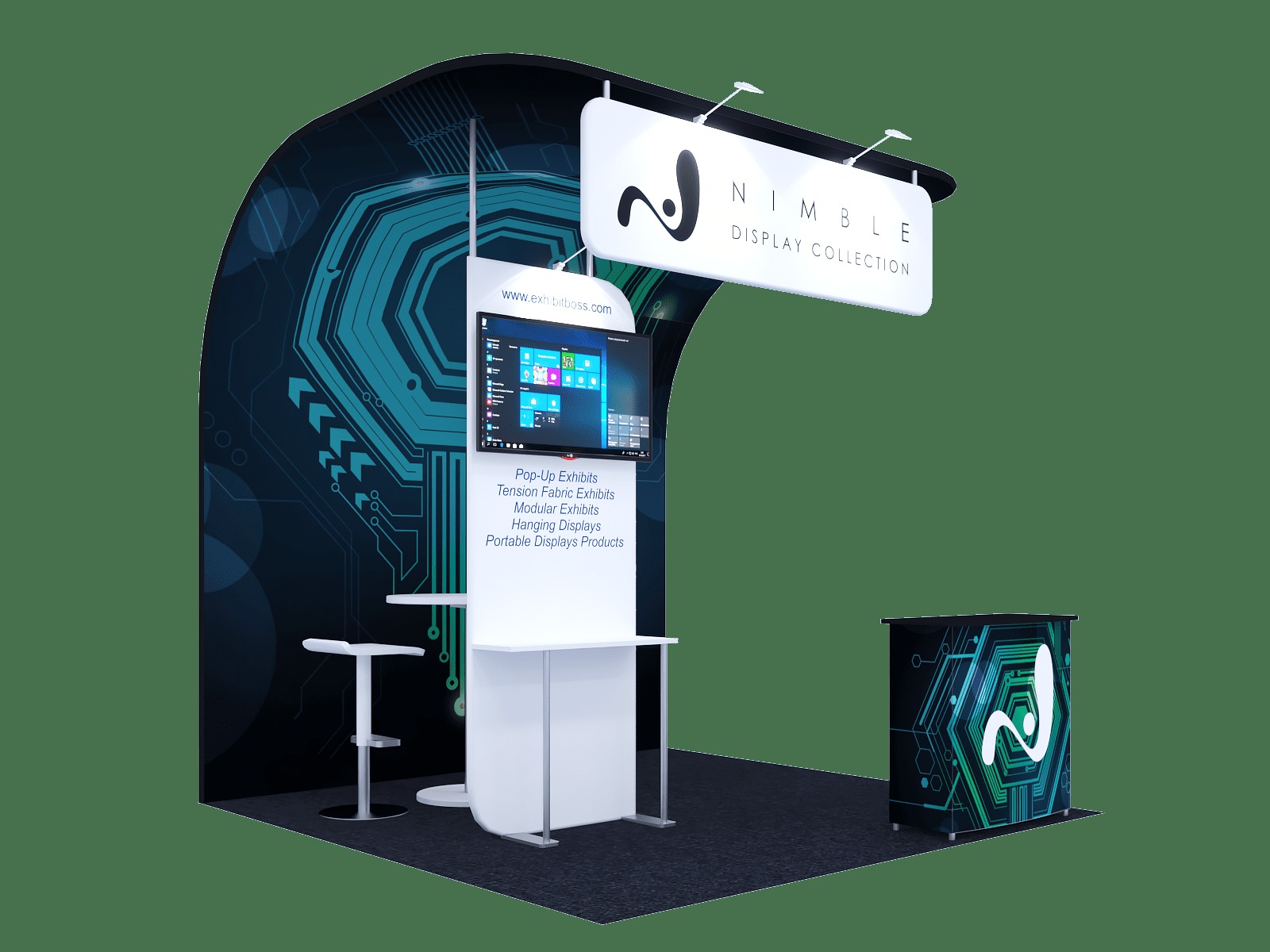
Portable Trade Show Displays matters when the booth needs flexibility, speed, and a lighter operating load while still presenting the brand with enough confidence for a serious buyer conversation.
Flexible formats work best when the team is honest about reuse, travel, storage, and how much visual impact the schedule and budget can realistically support.
The main discipline is keeping graphics, accessories, furniture, labor, and freight aligned so the booth can flex without turning into a pile of mismatched parts. That is especially important when the job touches Suncoast Hotel and Casino or overlaps with activity in Convention Center District Las Vegas, because the schedule pressure usually comes from handoffs rather than from one dramatic problem.
This route is ideal for repeat programs, fast calendars, test markets, and teams that want a professional presence without excessive ownership burden.
What we focus on
- Choose the format around reuse frequency and freight tolerance.
- Keep accessories intentional instead of adding pieces without a role.
- Coordinate graphics and furniture so the booth feels whole.
- Protect a clean install order for crews that may not know the system.
- Treat storage and return handling as part of the budget.
- Test the route against Suncoast Hotel and Casino, Convention Center District Las Vegas, and the show-week schedule early enough that labor, freight, graphics, and supervisor coverage can still be adjusted without drama.
Footprint logic and aisle strategy
The booth needs flexibility, speed, and a lighter operating load while still presenting the brand with enough confidence for a serious buyer conversation.
Flexible formats work best when the team is honest about reuse, travel, storage, and how much visual impact the schedule and budget can realistically support.
Drawings, utilities, and structural planning
The main discipline is keeping graphics, accessories, furniture, labor, and freight aligned so the booth can flex without turning into a pile of mismatched parts.
If the route points toward Suncoast Hotel and Casino or a neighboring workload inside Convention Center District Las Vegas, those commitments need even more clarity because the venue and organizer clocks keep moving whether the exhibitor is ready or not.
- Choose the format around reuse frequency and freight tolerance.
- Keep accessories intentional instead of adding pieces without a role.
- Coordinate graphics and furniture so the booth feels whole.
- Protect a clean install order for crews that may not know the system.
Labor hours, freight volume, and install order
The main discipline is keeping graphics, accessories, furniture, labor, and freight aligned so the booth can flex without turning into a pile of mismatched parts.
Freight planning gets cleaner when the team already knows what has to arrive first, what can be staged later, and who will answer questions on the floor. Registration Environment Buildouts often becomes part of that conversation because vendor sequencing matters just as much as the creative direction.
Graphics, meetings, demos, and live traffic
Portable and rental-friendly formats still need clean planning for lighting, screens, meeting surfaces, storage, and how cables or power will stay out of sight.
The audience will experience the result as one environment, so the technical work has to feel coordinated with the storyline, the staffing plan, and the traffic pattern. When those elements are reviewed together, the booth or event reads cleaner and the field team has fewer surprises to absorb.
Show-site ownership once the floor opens
On the floor, the booth depends on neat setup, fast adjustments, and staff who know how to keep a lighter footprint from feeling temporary or undersupported.
A controlled live week protects more than opening day.
Storage, refurbishment, and reuse planning
These formats should be easy to break down, record, and stage for the next use so the flexibility continues paying off after the event.
Closing cleanly also helps the next event.
- Protect a clean install order for crews that may not know the system.
- Treat storage and return handling as part of the budget.
- Use each show to improve the next setup.
Where this booth format fits best
This route is ideal for repeat programs, fast calendars, test markets, and teams that want a professional presence without excessive ownership burden.
It can still support smaller programs, but the logic should be the same: solve the real operating problem, not simply the obvious visual one. Buyers get better results when the route is selected for workload, timing, and ownership as much as for appearance.
What makes the layout worth the investment
The booth stays efficient for the team and still reads as deliberate to visitors.
That is the standard to hold the displays against in Las Vegas: cleaner decisions before move-in, steadier execution during open hours, and a closeout that leaves the exhibitor better positioned for whatever comes next.
Frequently asked questions
How early should Portable Trade Show Displays be scoped?
The main discipline is keeping graphics, accessories, furniture, labor, and freight aligned so the booth can flex without turning into a pile of mismatched parts.
Can this work be paired with work at Suncoast Hotel and Casino?
The key is to align the scope with the property rules, dock sequence, and show-week rhythm of Suncoast Hotel and Casino before suppliers start moving independently.
What usually drives timing and cost the most?
Flexible formats work best when the team is honest about reuse, travel, storage, and how much visual impact the schedule and budget can realistically support.
Who should own show-site decisions?
On the floor, the booth depends on neat setup, fast adjustments, and staff who know how to keep a lighter footprint from feeling temporary or undersupported.
What should be settled before move-in begins?
Portable and rental-friendly formats still need clean planning for lighting, screens, meeting surfaces, storage, and how cables or power will stay out of sight.