
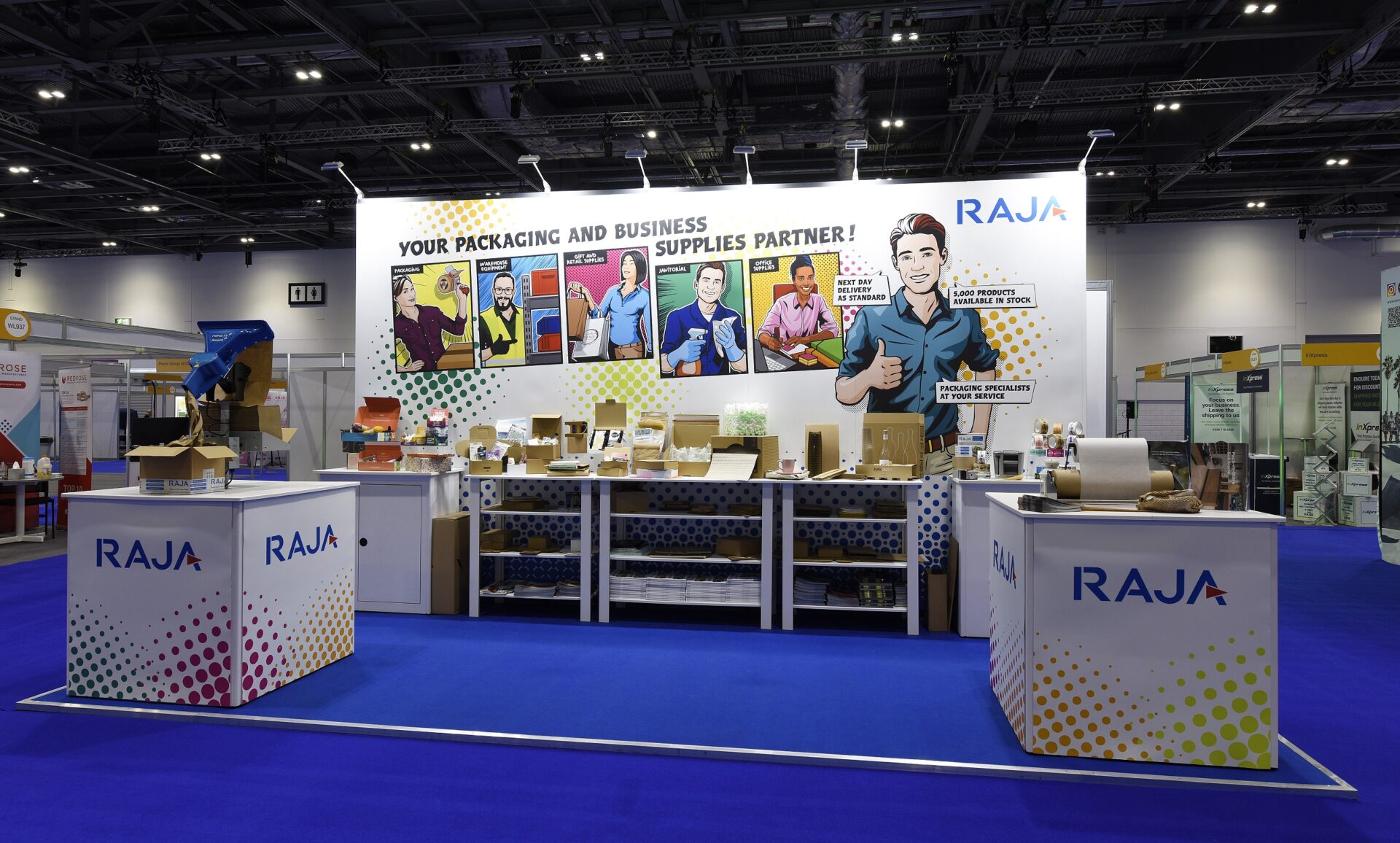
Retail and Ecommerce Event Services matters when the environment needs to move quickly, show innovation clearly, and support a lot of energy without losing the practical discipline required to keep the floor functioning.
Fast-moving sectors work best when demos, digital content, sales conversations, and social or experiential moments are mapped around the actual audience journey instead of being packed into the same square footage.
These programs often need sharper coordination around product launches, live content, networking, staffing transitions, VIP visits, and lead capture because the pace on the floor can change by the hour. That is especially important when the job touches the Westin Lake Las Vegas Resort & Spa or overlaps with activity in Macdonald Ranch, NV, because the schedule pressure usually comes from handoffs rather than from one dramatic problem.
This route fits brands that want momentum, interaction, and a room that reflects current product or culture without becoming chaotic.
What we focus on
- Map the audience journey before layering in every activation idea.
- Protect uptime for devices, demos, and networks.
- Staff the booth for both high-energy traffic and high-value meetings.
- Give VIPs and creators a clean operating path.
- Use the visual environment to support, not overshadow, the conversation.
- Test the route against the Westin Lake Las Vegas Resort & Spa, Macdonald Ranch, NV, and the show-week schedule early enough that labor, freight, graphics, and supervisor coverage can still be adjusted without drama.
Buyer expectations inside the booth
The environment needs to move quickly, show innovation clearly, and support a lot of energy without losing the practical discipline required to keep the floor functioning.
Fast-moving sectors work best when demos, digital content, sales conversations, and social or experiential moments are mapped around the actual audience journey instead of being packed into the same square footage.
Proof points, education, and message pacing
These programs often need sharper coordination around product launches, live content, networking, staffing transitions, VIP visits, and lead capture because the pace on the floor can change by the hour.
If the route points toward the Westin Lake Las Vegas Resort & Spa or a neighboring workload inside Macdonald Ranch, NV, those commitments need even more clarity because the venue and organizer clocks keep moving whether the exhibitor is ready or not.
- Map the audience journey before layering in every activation idea.
- Protect uptime for devices, demos, and networks.
- Staff the booth for both high-energy traffic and high-value meetings.
- Give VIPs and creators a clean operating path.
Samples, demos, and staffing coverage
These programs often need sharper coordination around product launches, live content, networking, staffing transitions, VIP visits, and lead capture because the pace on the floor can change by the hour.
Freight planning gets cleaner when the team already knows what has to arrive first, what can be staged later, and who will answer questions on the floor. Experiential Brand Activations often becomes part of that conversation because vendor sequencing matters just as much as the creative direction.
Graphics review, compliance care, and technical detail
Screens, interactive touchpoints, lighting, audio, networking, and branded moments all need stable technical support or the booth will look more ambitious than it really is.
The audience will experience the result as one environment, so the technical work has to feel coordinated with the storyline, the staffing plan, and the traffic pattern. When those elements are reviewed together, the booth or event reads cleaner and the field team has fewer surprises to absorb.
Show-site rhythm under live traffic
During open hours, a strong team keeps demos running, queues moving, devices working, and high-priority guests handled without sacrificing the rest of the audience experience.
A controlled live week protects more than opening day.
Closeout, reuse, and follow-up continuity
Post-show recovery should protect devices, branded activations, reusable scenic pieces, and the data or content the next event will build from.
Closing cleanly also helps the next event.
- Give VIPs and creators a clean operating path.
- Use the visual environment to support, not overshadow, the conversation.
- Capture learnings that improve the next launch.
Why this industry needs a different approach
This route fits brands that want momentum, interaction, and a room that reflects current product or culture without becoming chaotic.
It can still support smaller programs, but the logic should be the same: solve the real operating problem, not simply the obvious visual one. Buyers get better results when the route is selected for workload, timing, and ownership as much as for appearance.
What buyers remember after the show
Guests feel energy and relevance, while the internal team feels enough control to keep the momentum productive.
That is the standard to hold the services against in Las Vegas: cleaner decisions before move-in, steadier execution during open hours, and a closeout that leaves the exhibitor better positioned for whatever comes next.
Frequently asked questions
How early should Retail and Ecommerce Event Services be scoped?
These programs often need sharper coordination around product launches, live content, networking, staffing transitions, VIP visits, and lead capture because the pace on the floor can change by the hour.
Can this work be paired with work at the Westin Lake Las Vegas Resort & Spa?
The key is to align the scope with the property rules, dock sequence, and show-week rhythm of the Westin Lake Las Vegas Resort & Spa before suppliers start moving independently.
What usually drives timing and cost the most?
Fast-moving sectors work best when demos, digital content, sales conversations, and social or experiential moments are mapped around the actual audience journey instead of being packed into the same square footage.
Who should own show-site decisions?
During open hours, a strong team keeps demos running, queues moving, devices working, and high-priority guests handled without sacrificing the rest of the audience experience.
What should be settled before move-in begins?
Screens, interactive touchpoints, lighting, audio, networking, and branded moments all need stable technical support or the booth will look more ambitious than it really is.