
Buyer Sectors
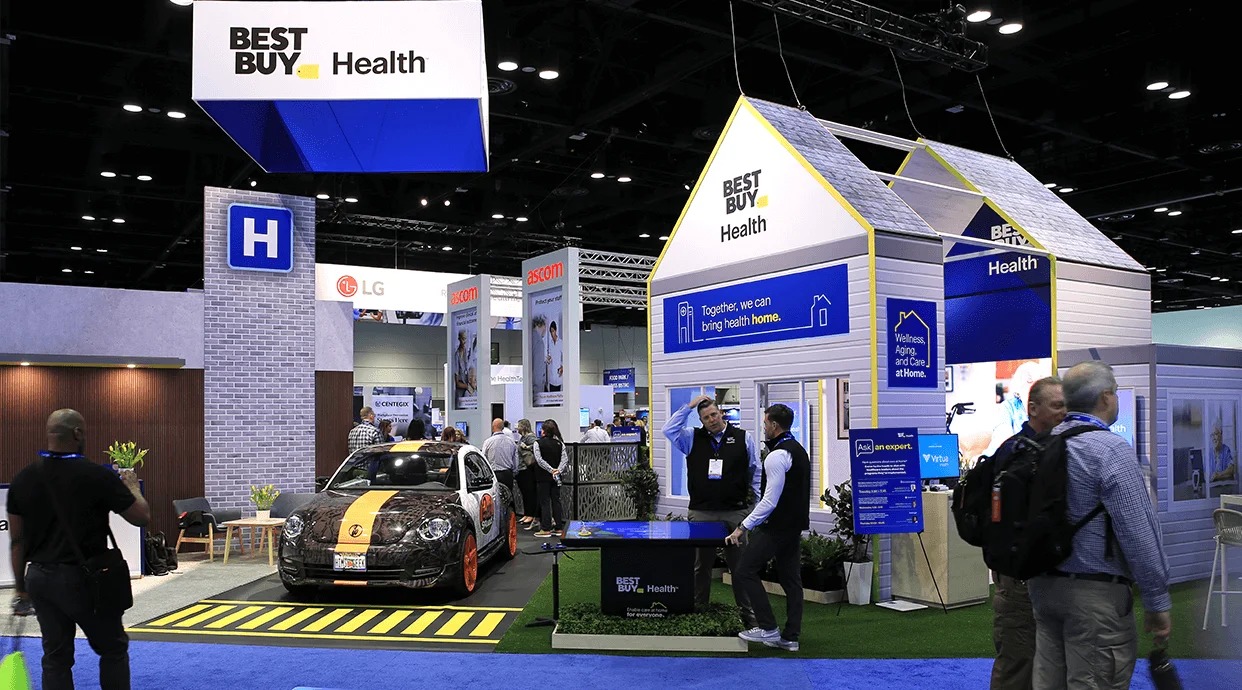
Different buyer sectors change proof points, demo rhythm, compliance review, sample handling, meeting patterns, and what the staff must be ready to answer on the floor.
Industry Programs
Industry focus
Use Healthcare Trade Show Services when sales motion, education needs, booth behavior, and show-week basics depend on a clear healthcare trade show services plan. It points attention toward the approvals, handoffs, and field decisions that usually decide the week. Use it to test whether the plan is ready for approval, still needs scope control, or should be simplified before production. It supports teams looking for proof points and booth behavior that line up with the buyer conversation. It keeps healthcare trade show services tied to execution instead of treating it as a loose label.
Industry focus
Use Technology Trade Show Services when audience credibility, sample handling, message pacing, and staff coverage depend on a clear technology trade show services plan. It points attention toward the approvals, handoffs, and field decisions that usually decide the week. Use it to test whether the plan is ready for approval, still needs scope control, or should be simplified before production. It supports teams looking for a stronger balance between product education, demos, and meeting flow. It keeps technology trade show services tied to execution instead of treating it as a loose label.
Industry focus
Manufacturing Expo Services is the right comparison point when the scope depends on audience credibility, sample handling, message pacing, and staff coverage. It shows where a small planning miss can turn into extra labor, freight, or show-site cost. A stronger brief here reduces vague handoffs between creative, production, freight, and the team working the floor. The best fit is a project where industry credibility without overloading the room with unnecessary complexity. The planning lens is specific to manufacturing expo services, so the card does not have to lean on generic trade show language.
Industry focus
Look at Food and Beverage Trade Show Services when the first planning risk is sales motion, education needs, booth behavior, and show-week basics. It helps the team decide what belongs in the first brief and what can wait for production. The useful question is what has to be locked before move-in and what can still adapt once the venue schedule is real. It supports teams looking for a sector-specific approach that still respects freight, labor, and schedule pressure. It keeps food and beverage trade show services tied to execution instead of treating it as a loose label.
Industry focus
Look at Beauty and Cosmetics Trade Show Services when the first planning risk is audience credibility, sample handling, message pacing, and staff coverage. It helps the team decide what belongs in the first brief and what can wait for production. Use it to test whether the plan is ready for approval, still needs scope control, or should be simplified before production. It supports teams looking for proof points and booth behavior that line up with the buyer conversation. It keeps beauty and cosmetics trade show services tied to execution instead of treating it as a loose label.
Industry focus
Look at Automotive Trade Show Services when the first planning risk is audience credibility, sample handling, message pacing, and staff coverage. It gives planners a cleaner way to compare schedule pressure, budget exposure, and field control. The useful question is what has to be locked before move-in and what can still adapt once the venue schedule is real. It supports teams looking for a stronger balance between product education, demos, and meeting flow. It keeps automotive trade show services tied to execution instead of treating it as a loose label.
Industry focus
Retail and Ecommerce Event Services is the right comparison point when the scope depends on audience credibility, sample handling, message pacing, and staff coverage. It helps separate what must be approved early from what can stay flexible. It helps identify the early commitments that protect install, open hours, strike, and any reuse after the show. The best fit is a project where industry credibility without overloading the room with unnecessary complexity. The focus stays on retail and ecommerce event services decisions so the reader can judge the real venue, labor, and timing impact.
Industry focus
Look at Industrial Trade Show Services when the first planning risk is sales motion, education needs, booth behavior, and show-week basics. It gives planners a cleaner way to compare schedule pressure, budget exposure, and field control. Use it to test whether the plan is ready for approval, still needs scope control, or should be simplified before production. It supports teams looking for a sector-specific approach that still respects freight, labor, and schedule pressure. It keeps industrial trade show services tied to execution instead of treating it as a loose label.
Industry focus
Start here when hospitality and gaming trade show services needs to be checked against sales motion, education needs, booth behavior, and show-week basics. It points attention toward the approvals, handoffs, and field decisions that usually decide the week. The useful question is what has to be locked before move-in and what can still adapt once the venue schedule is real. It supports teams looking for proof points and booth behavior that line up with the buyer conversation. It keeps hospitality and gaming trade show services tied to execution instead of treating it as a loose label.
Industry focus
Look at Construction and Building Products Expo Services when the first planning risk is sales motion, education needs, booth behavior, and show-week basics. It gives planners a cleaner way to compare schedule pressure, budget exposure, and field control. This choice should be judged by how it changes labor hours, access planning, graphics timing, and show-site ownership. It supports teams looking for a stronger balance between product education, demos, and meeting flow. That makes construction and building products expo services easier to compare against the venue, footprint, and deadline already in front of the team.
Industry focus
Use Cannabis Trade Show Services when sales motion, education needs, booth behavior, and show-week basics depend on a clear cannabis trade show services plan. It points attention toward the approvals, handoffs, and field decisions that usually decide the week. Use it to test whether the plan is ready for approval, still needs scope control, or should be simplified before production. That matters when the team needs industry credibility without overloading the room with unnecessary complexity. It keeps cannabis trade show services tied to execution instead of treating it as a loose label.
Industry focus
Sports and Entertainment Activation Services helps teams turn sports and entertainment activation services from a loose idea into a working plan for audience credibility, sample handling, message pacing, and staff coverage. It gives the buyer a clearer way to compare ambition against the work required behind the scenes. The page keeps the decision practical by tying the visible result to the operating work required to support it. It is most useful when the brief needs a sector-specific approach that still respects freight, labor, and schedule pressure. The focus stays on sports and entertainment activation services decisions so the reader can judge the real venue, labor, and timing impact.
The industry roster is designed for exhibitors who need the environment to feel credible to a specific buying audience instead of reading like a generic event setup. In Las Vegas, that matters because exhibitors rarely get to treat one decision in isolation once venue manuals, freight cutoffs, labor calls, and stakeholder approvals all start landing on the same week.
Buyers usually compare options like Healthcare Trade Show Services, Technology Trade Show Services, and Manufacturing Expo Services while they are still trying to decide how much labor the show can support, how aggressive the creative approach should be, and how much risk the live week can absorb. A healthcare booth, a technology launch, a food and beverage program, and a construction exhibit may all need strong design, but the proof and conversation inside them are not interchangeable.
Industry choice affects content review, sample handling, lead capture, staffing depth, meeting space, and how aggressively the booth should lean into demos or education. That is why this roster focuses on the operating consequences of each route instead of leaning on abstract claims. The real question is how the choice changes booth behavior, schedule pressure, and accountability on the floor.
The venue almost always sharpens the decision. A resort ballroom, a convention-center hall, and an off-Strip meeting campus can all demand different freight timing, different supervisor coverage, and different expectations for how the exhibitor team moves through the day. Sales teams, technical experts, product specialists, compliance reviewers, and executives often need the booth to support different conversations without losing one coherent story.
The busiest shows in Las Vegas reward brands that line up audience expectations, booth operations, and proof points long before the first attendee steps onto the floor. Once those clocks start moving, the team needs a route that can hold creative review, show services, labor, graphics, power, and the final install sequence together instead of forcing each vendor to improvise around missing information.
Buyers also need room to compare the visible result against the workload behind it. Choose the route that reflects how buyers evaluate your offer, not simply the broad market you happen to sell into. A booth or event format only earns its keep when the attendee experience and the back-of-house plan support each other at the same time.
Industry strategy also shapes what gets stored, refreshed, or repurposed when the same audience returns at the next event. Strong prep protects the end of the show just as much as the opening morning because outbound labels, labor release times, storage decisions, and next-show reuse all affect the total cost of the program.
Use the entries below to narrow the conversation quickly. With 12 live routes in this roster, exhibitors can move from a broad idea into a practical working brief and decide which path deserves budget, approvals, and show-site attention first.
Ready to brief your project?
Bring the buyer profile, the kind of proof the booth needs to show, and the conversations your team must have on the floor. That is usually enough to shape the right program.