
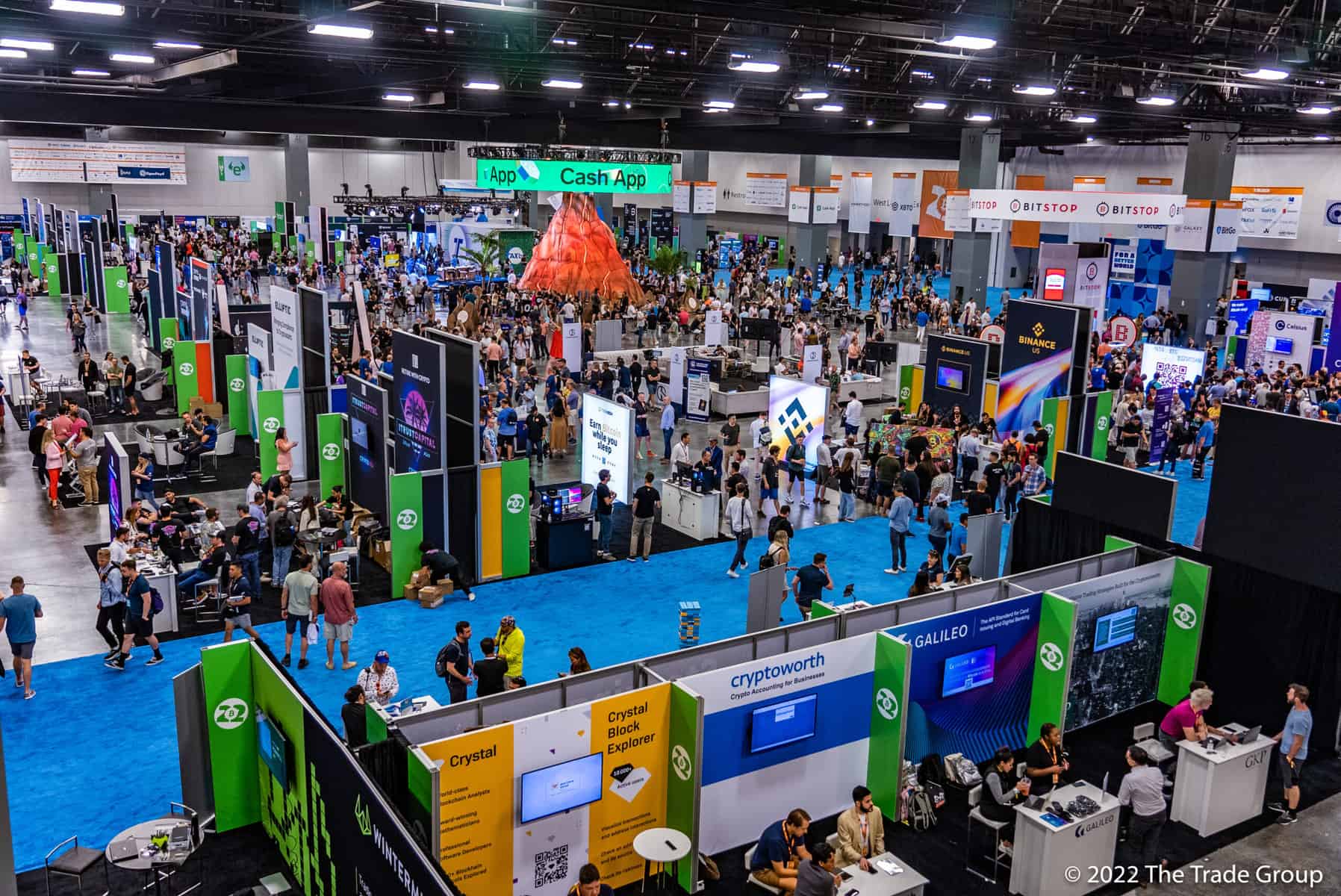
Convention Services matters when the exhibitor needs a format that can handle booth traffic, aisle visibility, demos, meeting pressure, and a large amount of operational activity happening at once.
Expo-driven programs are strongest when the layout, staffing plan, demo rhythm, and freight strategy are set around the actual pace of the show floor rather than around static creative assumptions. The cleaner path is to connect the scope to the booth layout, the venue operating rules, and the show-week calendar while there is still time to move graphics, utilities, freight, and staffing into the right order.
The schedule has to support registration, booth opening, lead capture, product handling, cleaning, replenishment, and the mid-day decisions that happen once traffic patterns become clear.
This format is best when visibility, lead volume, repeated conversations, and a hard-working footprint matter more than private hospitality.
What we focus on
- Plan for sustained traffic rather than one-time show moments.
- Protect demo space and lead capture from crowding each other out.
- Keep freight, replenishment, and storage easy to access.
- Give staff a clear rotation plan for long show hours.
- Maintain booth appearance throughout the day.
Audience rhythm and room behavior
The exhibitor needs a format that can handle booth traffic, aisle visibility, demos, meeting pressure, and a large amount of operational activity happening at once.
The strongest start is a working brief that stays honest about footprint, deadlines, and audience goals. Expo-driven programs are strongest when the layout, staffing plan, demo rhythm, and freight strategy are set around the actual pace of the show floor rather than around static creative assumptions. When the first choices are grounded that way, later approvals stop feeling like separate arguments and start behaving like normal steps in the same plan.
Brief, schedule, and production sequencing
The schedule has to support registration, booth opening, lead capture, product handling, cleaning, replenishment, and the mid-day decisions that happen once traffic patterns become clear.
That is why buyers should lock the key dates, required approvals, and vendor responsibilities while the layout is still moveable. If the route points toward Alexis Park All Suite Resort or a neighboring workload inside East Of Strip Las Vegas, those commitments need even more clarity because the venue and organizer clocks keep moving whether the exhibitor is ready or not.
- Plan for sustained traffic rather than one-time show moments.
- Protect demo space and lead capture from crowding each other out.
- Keep freight, replenishment, and storage easy to access.
- Give staff a clear rotation plan for long show hours.
Staffing, speakers, sponsors, and stakeholder flow
The schedule has to support registration, booth opening, lead capture, product handling, cleaning, replenishment, and the mid-day decisions that happen once traffic patterns become clear.
Freight planning gets cleaner when the team already knows what has to arrive first, what can be staged later, and who will answer questions on the floor. Custom Exhibit Fabrication often becomes part of that conversation because vendor sequencing matters just as much as the creative direction.
Graphics, stage, AV, and live content
Expo work also needs disciplined planning for graphics at distance, lighting, screens, power, networked capture tools, and any product demo that has to run continuously without breaking flow.
The audience will experience the result as one environment, so the technical work has to feel coordinated with the storyline, the staffing plan, and the traffic pattern. When those elements are reviewed together, the booth or event reads cleaner and the field team has fewer surprises to absorb.
Show-site control during open hours
During show hours, the team should know who owns floor resets, booth upkeep, high-value meetings, sponsor visits, and the real-time adjustments that keep traffic moving.
A controlled live week protects more than opening day.
Reset plans, strike timing, and outbound movement
After the show, the crew needs a clean path for sample packing, outbound freight, lead-handoff materials, and the booth components that should be reused next time.
Closing cleanly also helps the next event.
- Give staff a clear rotation plan for long show hours.
- Maintain booth appearance throughout the day.
- Close with a clean lead and outbound process.
Where this format earns the most value
This format is best when visibility, lead volume, repeated conversations, and a hard-working footprint matter more than private hospitality.
It can still support smaller programs, but the logic should be the same: solve the real operating problem, not simply the obvious visual one. Buyers get better results when the route is selected for workload, timing, and ownership as much as for appearance.
How exhibitors measure the result
The booth feels busy for the right reasons because traffic, staffing, and product storytelling support each other instead of competing.
That is the standard to hold the services against in Las Vegas: cleaner decisions before move-in, steadier execution during open hours, and a closeout that leaves the exhibitor better positioned for whatever comes next.
Frequently asked questions
How early should Convention Services be scoped?
The schedule has to support registration, booth opening, lead capture, product handling, cleaning, replenishment, and the mid-day decisions that happen once traffic patterns become clear.
Can this work be paired with work at Alexis Park All Suite Resort?
Yes, and that pairing is usually where the route proves its value. The key is to align the scope with the property rules, dock sequence, and show-week rhythm of Alexis Park All Suite Resort before suppliers start moving independently.
What usually drives timing and cost the most?
Venue approvals, labor calls, freight handling, graphics review, and the number of moving parts in the schedule usually drive the biggest swings. Expo-driven programs are strongest when the layout, staffing plan, demo rhythm, and freight strategy are set around the actual pace of the show floor rather than around static creative assumptions. When those items are coordinated early, the budget stays more stable and the team has more room to make smart tradeoffs.
Who should own show-site decisions?
During show hours, the team should know who owns floor resets, booth upkeep, high-value meetings, sponsor visits, and the real-time adjustments that keep traffic moving.
What should be settled before move-in begins?
Expo work also needs disciplined planning for graphics at distance, lighting, screens, power, networked capture tools, and any product demo that has to run continuously without breaking flow.