
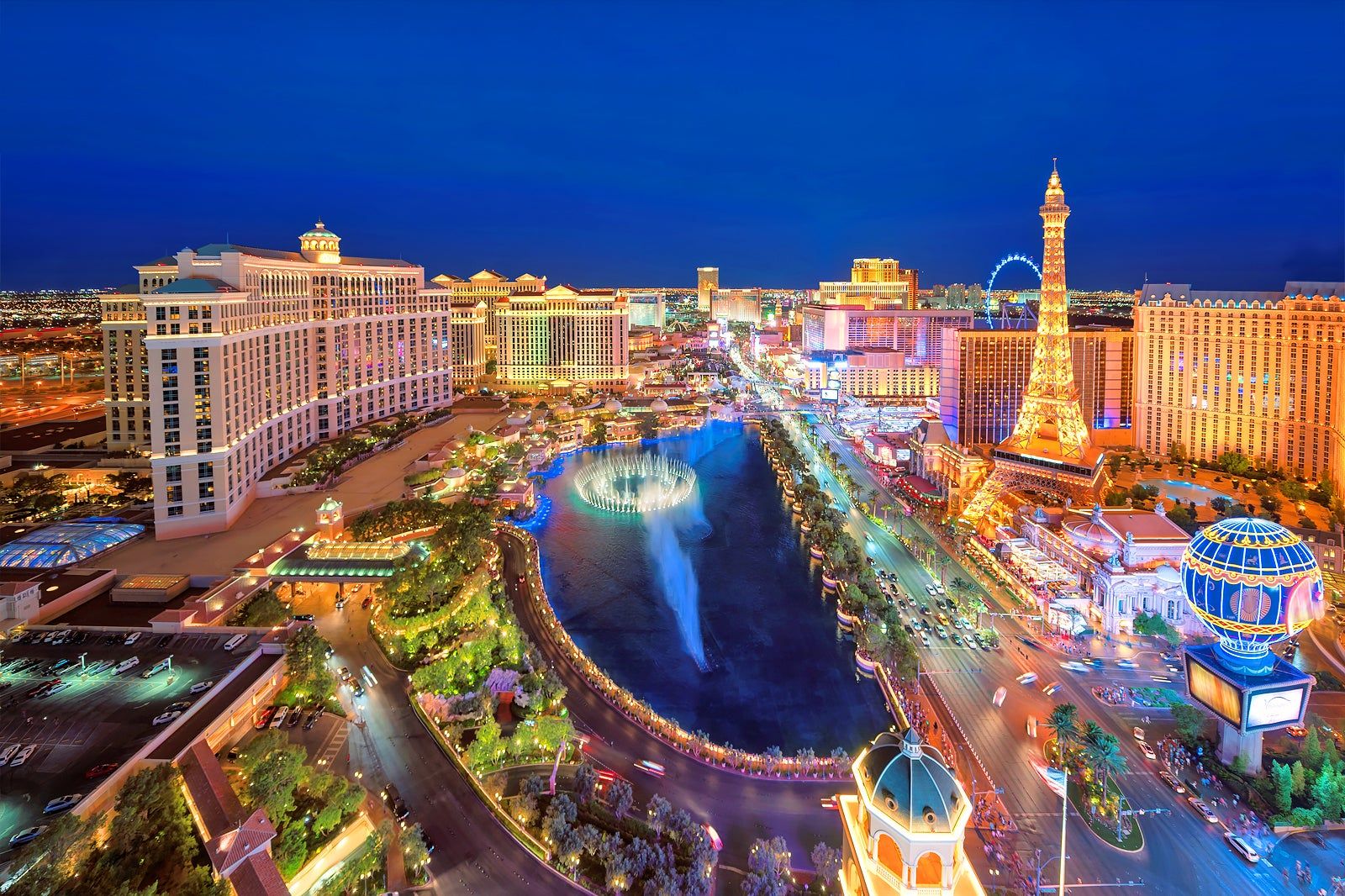
The resort corridor mixes exhibit floors, ballrooms, hospitality venues, restaurants, and hotel towers, which means business events share space with constant guest movement.
Routing here should account for valet traffic, hotel back-of-house access, service elevators, and the extra minutes required to move people or assets across large resort campuses.
Executive hosts, VIP guests, booth staff, sponsors, and production teams often need different paths through the same property, so the operating brief has to be specific.
This area is strongest for exhibitors balancing trade show visibility with hospitality, executive meetings, or programs spread across resort campuses.
What we focus on
- Build extra time into every cross-campus move.
- Use hotel geography to plan staff and guest paths.
- Protect service entrances and storage locations early.
- Separate guest-facing timing from back-of-house work.
- Assign one lead who understands the property layout.
- Close out before guest traffic creates unnecessary friction.
Why Strip South Las Vegas changes the operating plan
The resort corridor mixes exhibit floors, ballrooms, hospitality venues, restaurants, and hotel towers, which means business events share space with constant guest movement.
A district plan is strongest when it begins with the real workload. If the job needs fast dock access, quick executive movement, repeated site checks, or a cleaner path between hotel and venue, the team should solve that through the area choice instead of hoping the city will compress itself around the brief.
Travel time, dock access, and daily routing
Routing here should account for valet traffic, hotel back-of-house access, service elevators, and the extra minutes required to move people or assets across large resort campuses.
That matters because small routing mistakes compound quickly. A missed turn for a field lead, a bad assumption about loading access, or an overly optimistic hotel transfer can take more time than a clean production team can afford once the event is live.
- Build extra time into every cross-campus move.
- Use hotel geography to plan staff and guest paths.
- Protect service entrances and storage locations early.
- Separate guest-facing timing from back-of-house work.
Hotels, stakeholders, and crew movement
Executive hosts, VIP guests, booth staff, sponsors, and production teams often need different paths through the same property, so the operating brief has to be specific.
It also improves morale and focus.
Freight staging, storage, and reset pace
Staging matters because drop-offs, storage, and service entrances can be more constrained than the glamour of the address suggests.
Those decisions often matter more than one extra decorative element in the room. A district that supports clean staging makes the visible environment easier to maintain because the crew is not scrambling to recover a missing tool, panel, or cable from across the valley.
Venue mix and approval timing
The resort corridor mixes exhibit floors, ballrooms, hospitality venues, restaurants, and hotel towers, which means business events share space with constant guest movement.
The area choice simply gives the team a smarter baseline.
Show-site supervision and contingency planning
The biggest mistake is treating the corridor like one continuous neighborhood. Each resort still has its own pace, internal geography, and loading reality.
A district plan that includes contingencies gives the exhibitor more calm under pressure. The venue still gets busy, but the team can make quicker decisions because the surrounding geography has already been considered.
When Strip South Las Vegas is the right choice
This area is strongest for exhibitors balancing trade show visibility with hospitality, executive meetings, or programs spread across resort campuses.
That is especially important when the same brand may grow into a larger city footprint later. A strong first district choice creates a better foundation for expanding into adjacent properties or future shows without relearning the city from zero.
How the week finishes cleanly
A clean finish requires careful timing around guest traffic, venue reset needs, and how quickly assets need to clear public-facing areas.
When the area has been planned properly from start to finish, the team exits with a cleaner asset record, a calmer crew, and a much better chance of using the same district successfully again.
Frequently asked questions
Why does Strip South Las Vegas matter if the venue is already chosen?
Routing here should account for valet traffic, hotel back-of-house access, service elevators, and the extra minutes required to move people or assets across large resort campuses.
Is this work only useful for one type of event?
No. This area is strongest for exhibitors balancing trade show visibility with hospitality, executive meetings, or programs spread across resort campuses.
What usually causes the biggest location mistakes?
The biggest mistake is treating the corridor like one continuous neighborhood. Each resort still has its own pace, internal geography, and loading reality.
How early should district planning start?
Start as soon as the venue shortlist and hotel pattern are visible. That gives the team enough room to solve staging, crew travel, executive movement, and backup access before show week starts absorbing every hour.
What should already be decided before move-in?
Staging matters because drop-offs, storage, and service entrances can be more constrained than the glamour of the address suggests.