
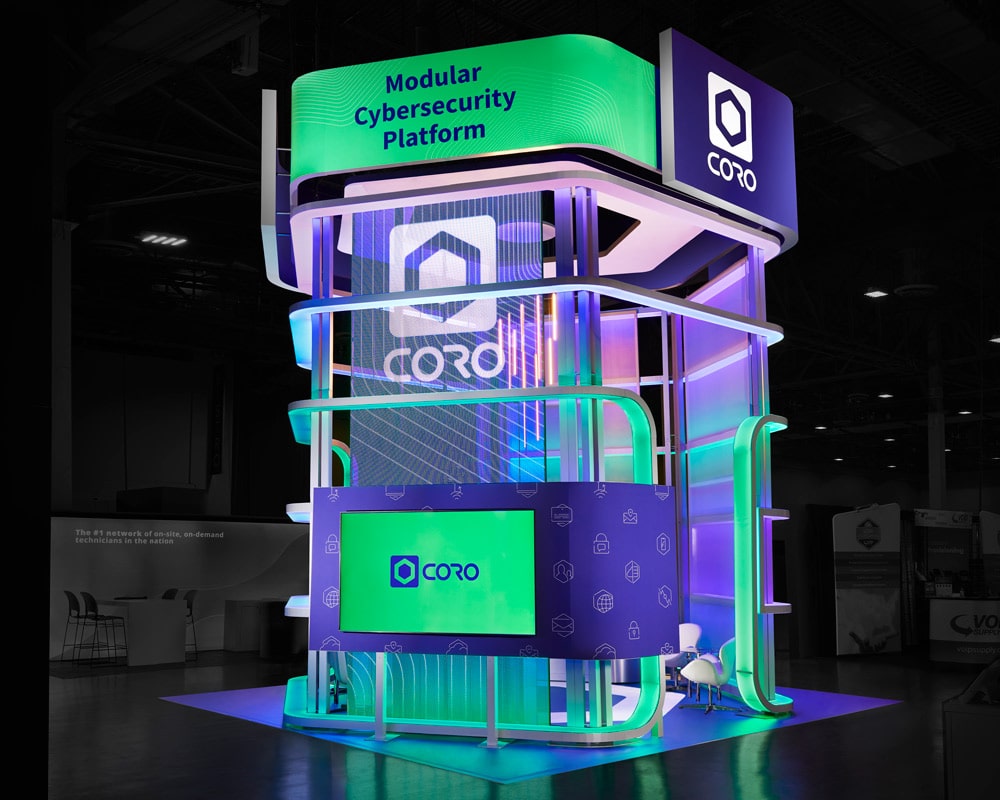
Interactive Experience Installation matters when the project needs engineered structure, custom fabrication, and a field plan that can translate ambitious physical scope into a clean install.
This route is best when the exhibitor needs physical impact, tailored architecture, or a launch environment that cannot be solved by a lighter rental package alone. When the route is chosen well, the booth team can stay focused on buyers, meetings, demos, and event outcomes because the operating work behind the scenes already has a clear owner.
What we focus on
- Review venue access, rigging, and safety expectations before the truck is dispatched.
- Keep one punch-list owner on the floor during install and open.
- Test the route against Alexis Park All Suite Resort, Enterprise, NV, and the show-week schedule early enough that labor, freight, graphics, and supervisor coverage can still be adjusted without drama.
Scope, budget, and booth strategy
The project needs engineered structure, custom fabrication, and a field plan that can translate ambitious physical scope into a clean install.
The strongest start is a working brief that stays honest about footprint, deadlines, and audience goals. Strong build work starts with approved dimensions, clear finish expectations, access planning, and a realistic sequence for how the structure will arrive, assemble, and be inspected on site. When the first choices are grounded that way, later approvals stop feeling like separate arguments and start behaving like normal steps in the same plan.
Drawings, deadlines, and approvals
Fabrication scope requires disciplined shop timelines, crate planning, labor forecasting, venue coordination, and a backup path if one piece of the build shifts late. Most deadline pain comes from one team assuming another team already handled a drawing, a target date, or a service order. A disciplined route keeps those assumptions out of the project before the floor starts getting expensive.
That is why buyers should lock the key dates, required approvals, and vendor responsibilities while the layout is still moveable. If the route points toward Alexis Park All Suite Resort or a neighboring workload inside Enterprise, NV, those commitments need even more clarity because the venue and organizer clocks keep moving whether the exhibitor is ready or not.
- Sequence crates, install order, and labor so the structure can be built safely and quickly.
- Coordinate graphics, AV, and lighting into the build instead of layering them late.
- Review venue access, rigging, and safety expectations before the truck is dispatched.
Labor calls, freight timing, and supplier handoffs
Labor and freight should be treated as design inputs, not late cleanup work. Crew counts, install order, forklifts, drayage, and outbound paperwork all need to match the real footprint and the time available in the building. Fabrication scope requires disciplined shop timelines, crate planning, labor forecasting, venue coordination, and a backup path if one piece of the build shifts late.
Scenic Fabrication for Events often becomes part of that conversation because vendor sequencing matters just as much as the creative direction.
Graphics, AV, and utility coordination
Builds like this also need clean coordination around graphics, lighting, AV integration, rigging, and safety review so the assembled environment feels finished instead of pieced together. That means graphics, lighting, power, networking, rigging, staging, or specialty equipment should be reviewed against the actual room and the approved layout rather than bolted on after the major budget decisions are already made.
The audience will experience the result as one environment, so the technical work has to feel coordinated with the storyline, the staffing plan, and the traffic pattern. When those elements are reviewed together, the booth or event reads cleaner and the field team has fewer surprises to absorb.
Show-site supervision and risk control
Show-site control is essential because the crew has to resolve fit, finish, punch-list items, and any venue constraint without slowing the entire floor. One supervisor or clearly defined lead should own the escalations so labor questions, organizer asks, sponsor changes, and last-minute client revisions do not scatter across the floor.
A controlled live week protects more than opening day.
Storage, reuse, and post-show recovery
After the event, the team should already know what returns to storage, what needs refurbishment, and which build elements can travel to the next program.
Closing cleanly also helps the next event.
- Review venue access, rigging, and safety expectations before the truck is dispatched.
- Keep one punch-list owner on the floor during install and open.
- Plan storage or refurbishment before strike begins.
When this service is the right fit
This route is best when the exhibitor needs physical impact, tailored architecture, or a launch environment that cannot be solved by a lighter rental package alone. The route usually earns the most value when the exhibitor has real show-floor pressure, multiple stakeholders, or a venue that leaves little room for sloppy sequencing.
It can still support smaller programs, but the logic should be the same: solve the real operating problem, not simply the obvious visual one. Buyers get better results when the route is selected for workload, timing, and ownership as much as for appearance.
What strong results look like
The brand gets a custom presence that still behaves like a disciplined production job from first crate to final outbound label.
That is the standard to hold the installation against in Las Vegas: cleaner decisions before move-in, steadier execution during open hours, and a closeout that leaves the exhibitor better positioned for whatever comes next.
Frequently asked questions
How early should Interactive Experience Installation be scoped?
Start as soon as the venue, footprint, and outcome are clear. Fabrication scope requires disciplined shop timelines, crate planning, labor forecasting, venue coordination, and a backup path if one piece of the build shifts late. Early scope work gives the team room to place labor, freight, graphics, and utility decisions in the right order instead of compressing them into the final week.
Can this work be paired with work at Alexis Park All Suite Resort?
Yes, and that pairing is usually where the route proves its value. The key is to align the scope with the property rules, dock sequence, and show-week rhythm of Alexis Park All Suite Resort before suppliers start moving independently.
What usually drives timing and cost the most?
Venue approvals, labor calls, freight handling, graphics review, and the number of moving parts in the schedule usually drive the biggest swings. Strong build work starts with approved dimensions, clear finish expectations, access planning, and a realistic sequence for how the structure will arrive, assemble, and be inspected on site. When those items are coordinated early, the budget stays more stable and the team has more room to make smart tradeoffs.
Who should own show-site decisions?
Show-site control is essential because the crew has to resolve fit, finish, punch-list items, and any venue constraint without slowing the entire floor. Whether that owner is a project manager, producer, or field supervisor, everyone on the floor should know where questions go so client requests, venue direction, and vendor updates do not collide.
What should be settled before move-in begins?
Builds like this also need clean coordination around graphics, lighting, AV integration, rigging, and safety review so the assembled environment feels finished instead of pieced together. The team should also know the install order, target labor coverage, outbound plan, and which decisions are already approved so the live week starts from a real baseline instead of assumption.