
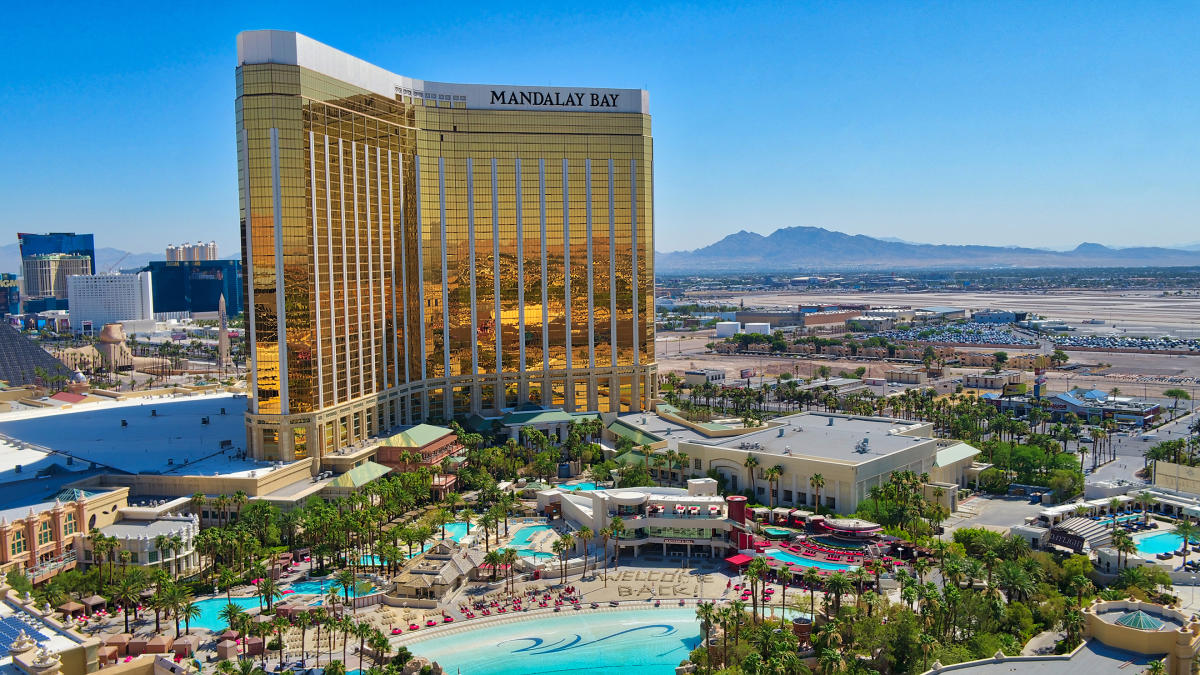
Mandalay Bay Convention Center Resort and Casino at 3950 Las Vegas Blvd S, Las Vegas, NV should be treated like a real operating environment, not simply an event backdrop.
Property rules, organizer deadlines, and exhibitor-appointed-contractor steps should all be settled early because big halls amplify every missed target date. Buyers usually win here by making property-specific decisions early rather than assuming the venue will behave like the last room they worked in.
The dock strategy should cover marshalling, labor start times, crate order, material handling, and exactly how the booth will be staged once freight releases.
This type of venue is strongest for exhibitors who need scale, visibility, and enough infrastructure to support a serious trade show presence.
What we focus on
- Lock dock timing and freight sequence early.
- Map labor coverage to the real hall distance and booth size.
- Review hanging, power, and network needs against the hall rules.
- Protect housekeeping across a larger operating footprint.
- Assign one lead for venue and organizer questions.
- Start outbound planning before the show opens.
Mandalay Bay Convention Center Resort and Casino in the real show schedule
The casino only looks easy from a distance.
That is why venue planning should begin with the actual room use, the target audience behavior, and the level of supervision the environment will need once it is live. When the team solves those questions early, the rest of the schedule gets more honest.
Dock sequence, freight timing, and material handling
The dock strategy should cover marshalling, labor start times, crate order, material handling, and exactly how the booth will be staged once freight releases.
The better the freight sequence, the fewer people are waiting on the floor for information that should have been solved before the truck released. That is where good venue planning starts paying back the budget immediately.
- Lock dock timing and freight sequence early.
- Map labor coverage to the real hall distance and booth size.
- Review hanging, power, and network needs against the hall rules.
- Protect housekeeping across a larger operating footprint.
Labor calls, approvals, and contractor control
Property rules, organizer deadlines, and exhibitor-appointed-contractor steps should all be settled early because big halls amplify every missed target date. The team should know what needs approval, what the venue handles directly, what outside contractors are allowed to do, and where any liability or compliance questions still sit.
Clear contractor control also gives the client better leverage when something changes. Instead of renegotiating the whole job under pressure, the team can answer from an already-defined operating path.
Power, AV, and room configuration
Power, rigging, networking, hanging signs, lighting, and any large-screen plan need to be reviewed against the actual hall map and the booth's sequence of installation.
This matters even more when the venue carries a mix of exhibit, stage, meeting, and hospitality functions. A room that looks flexible on a floor plan can still become awkward or expensive if technical requirements were guessed instead of mapped.
Guest flow, staffing, and supervisor coverage
Open hours usually call for more zone coverage, cleaner housekeeping, and faster supervisor response because distances on the floor can be significant once traffic builds.
A venue-specific staffing model also makes it easier to preserve the tone of the event. Guests experience more confidence when the team looks like it understands the property and the pace of the room.
Dismantle, outbound labels, and asset recovery
Load-out should be planned with the same seriousness as load-in because outbound lines, material handling, and crate order can drag if nobody owns them early.
Load-out often reveals whether the venue plan was real.
Which programs fit this venue best
This type of venue is strongest for exhibitors who need scale, visibility, and enough infrastructure to support a serious trade show presence.
Exhibitors get better outcomes when the room, the audience pattern, and the operational plan all agree. If one of those pieces is missing, the venue can become harder than it looks on paper.
What to settle before move-in
The biggest risk is underestimating how long it takes to get freight, labor, and the punch list aligned once the hall is already active.
That is the practical value of a venue-specific brief.
Frequently asked questions
What matters most before working inside Mandalay Bay Convention Center Resort and Casino?
Property rules, organizer deadlines, and exhibitor-appointed-contractor steps should all be settled early because big halls amplify every missed target date. The team should also know the room use, freight sequence, labor assumptions, and who owns property communication once the install starts.
Why does venue type matter so much?
Large halls in this class reward exhibitors that think in terms of freight sequence, aisle visibility, floor coverage, and long install windows instead of treating the venue like a ballroom with bigger carpet. Venue type changes how the room loads, how guests move, and how much operational precision the show will need, even before creative choices are added.
What usually creates the most pressure on site?
The biggest risk is underestimating how long it takes to get freight, labor, and the punch list aligned once the hall is already active.
How should the team think about staffing here?
Open hours usually call for more zone coverage, cleaner housekeeping, and faster supervisor response because distances on the floor can be significant once traffic builds.
When should load-out planning begin?
Load-out should be planned with the same seriousness as load-in because outbound lines, material handling, and crate order can drag if nobody owns them early.